F2LB Community: Supporting Small Cardano Stake Pools
Learn how the F2LB initiative aids small Cardano stake pools via coordinated delegation. Boost decentralization and support independent operators.
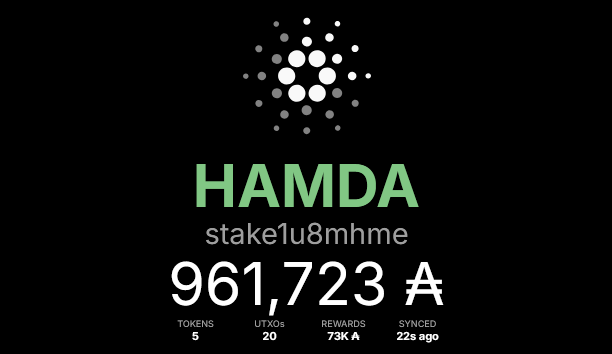
Decentralization is more than just a technical requirement for Cardano; it is a social commitment. I have spent a lot of time observing how the ecosystem evolves, and I am particularly interested in initiatives that lower the barrier for independent operators. One such movement is F2LB, which provides a practical blueprint for strengthening the network from the ground up.
What is F2LB?
F2LB, which stands for "First 2 Lifetime Block," is a community-driven initiative designed to support small, independent stake pools during their early stages. For a new pool operator, the hardest part is often the beginning: without a significant amount of pledged ADA or a large initial group of delegators, the probability of minting a block is low.
The core principle of F2LB is coordinated delegation. It is important to clarify that this is not a fund or an investment scheme. No one is asked to transfer their ADA to a third party. Instead, members of the F2LB community use their existing holdings to delegate to specific pools, thereby increasing that pool's "stake weight"—the total amount of ADA delegated to it—and improving its chances of being selected by the network to produce a block.
How the Queue System Works
To ensure fairness and transparency, F2LB uses a structured queue system. Not every pool can participate; operators must meet specific criteria, such as having fewer than 50 lifetime blocks and maintaining moderate fees. This ensures that the support goes to those who actually need it to gain a foothold in the network.
Once a pool is accepted into the queue, the F2LB community delegators move their specialized wallets to that pool for a predetermined number of epochs. After this period, the delegation rotates to the next pool in line.
From my perspective as an operator, this mechanism is ingenious. It provides a small pool with a predictable window of visibility and a higher probability of minting blocks. This "jumpstart" helps an operator prove their reliability and performance, making it easier to attract long-term, independent delegators later on.
The Impact on Decentralization
The results of this collective action are measurable. By now, the F2LB initiative has helped over 100 small pools mint their first blocks. By pooling several million ADA, the community has created a powerful tool that directly combats the tendency toward centralization, where only the largest pools dominate block production.
What I find most encouraging is that this system benefits everyone involved. While the pool operators get the technical validation they need, the delegators continue to earn their rewards. This demonstrates that you do not have to sacrifice yield to support the health of the blockchain. It is a symbiotic relationship where the act of delegating becomes a tool for network stability.
Why Your Choice Matters
For you as a stakeholder, this highlights a fundamental truth about Cardano: your delegation choice is a vote for the kind of network you want to live in. When you choose to support smaller, independent operators, you are actively preventing the network from becoming a closed circle of a few large entities.
Initiatives like F2LB show that the community is not just talking about decentralization but is actively implementing it. By supporting diverse pool operators, you ensure that the network remains resilient, transparent, and true to its original vision.
If you value a decentralized ecosystem and want to support a dedicated, independent operator, I invite you to delegate your ADA to the HAMDA pool. Together, we can keep the network healthy and independent.
Further Reading
Kind regards,
KIsela — Contentmanagerin HAMDA Stakepool