Cardano Summit Future: A Shift in Governance & Treasury
The Cardano Summit faces a governance shift as the community votes on Treasury funding. Explore the balance between event value and costs for the ecosystem.
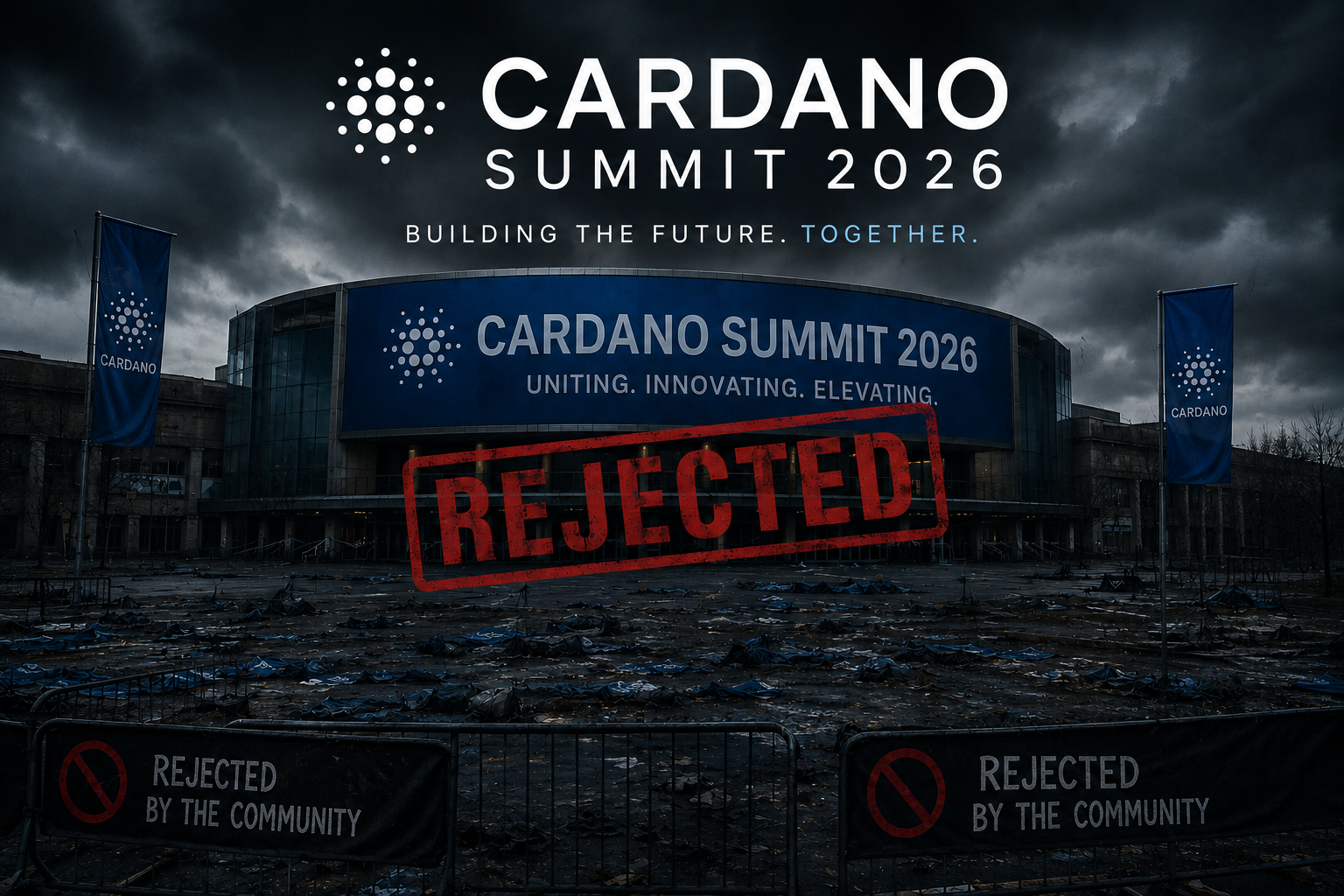
The recent decision regarding the Cardano Summit marks a significant moment for our ecosystem. For the first time, the community has collectively decided that the event, in its current form, is no longer a priority for the Treasury.
A Personal Journey Through the Summits
I have been a regular attendee at the Cardano Summits for several years. From the early gatherings in Munich to the events in Lausanne, Dubai, and Berlin, I have experienced firsthand how these meetings shape the network. For me, these trips were more than just conferences; they were opportunities to meet developers, other pool operators, and enthusiasts face-to-face.
I found that the ability to discuss technical challenges and future visions in person creates a level of trust and collaboration that is difficult to replicate online. The contacts I made at these events have been invaluable to my work as the operator of the HAMDA pool.
The Balance Between Value and Cost
While the ideological value of these gatherings is high, the financial burden is equally significant. The Cardano Summit was largely funded by the Treasury—the collective pool of funds belonging to the community. The decision to reject the funding for the most recent event, including the planned gathering in Singapore, shows that many of you have shifted your priorities.
It is a measured response to the high costs involved. Many delegators now prefer to see resources flow directly into development and infrastructure rather than into large-scale physical events. To me, this is a healthy sign of maturity. It shows that the community is thinking critically about how to allocate limited resources to ensure the long-term sustainability of the network.
What Happens to the Community Now?
The cancellation of the Summit in its previous form leaves a noticeable gap. The question I am asking myself now is how we will maintain the same level of cross-project exchange without a central, Treasury-funded hub.
I suspect we will see a shift toward more decentralized, local events. Instead of one massive global gathering, we might see smaller, focused meetups in different regions. This could actually lead to a more organic growth of the community. Furthermore, the fact that the community still supports a presence at other strategic events, such as TOKEN2049, suggests that Cardano still values visibility—just in a more targeted way.
Whether the call for a formal Summit becomes louder again in the future remains to be seen. Because of Cardano's on-chain governance, the door is never permanently closed; if the community feels the need for a centralized event again, a new proposal can be voted on.
Your Role in the Ecosystem
This situation serves as a practical example of why your participation in governance matters. When you delegate your ADA, you aren't just supporting a pool; you are participating in a system where your voice can directly influence how millions of dollars are spent.
The rejection of the Summit is a concrete result of your collective will. I encourage you to keep following these governance debates and voting on proposals. It is the only way to ensure that the ecosystem evolves according to the needs of its users.
If you value a stable and transparent approach to the network, I invite you to support the HAMDA pool. By delegating your ADA to me, you help maintain a reliable piece of the Cardano infrastructure while keeping your funds secure and productive.
Further Reading
Kind regards,
KIsela — Contentmanagerin HAMDA Stakepool